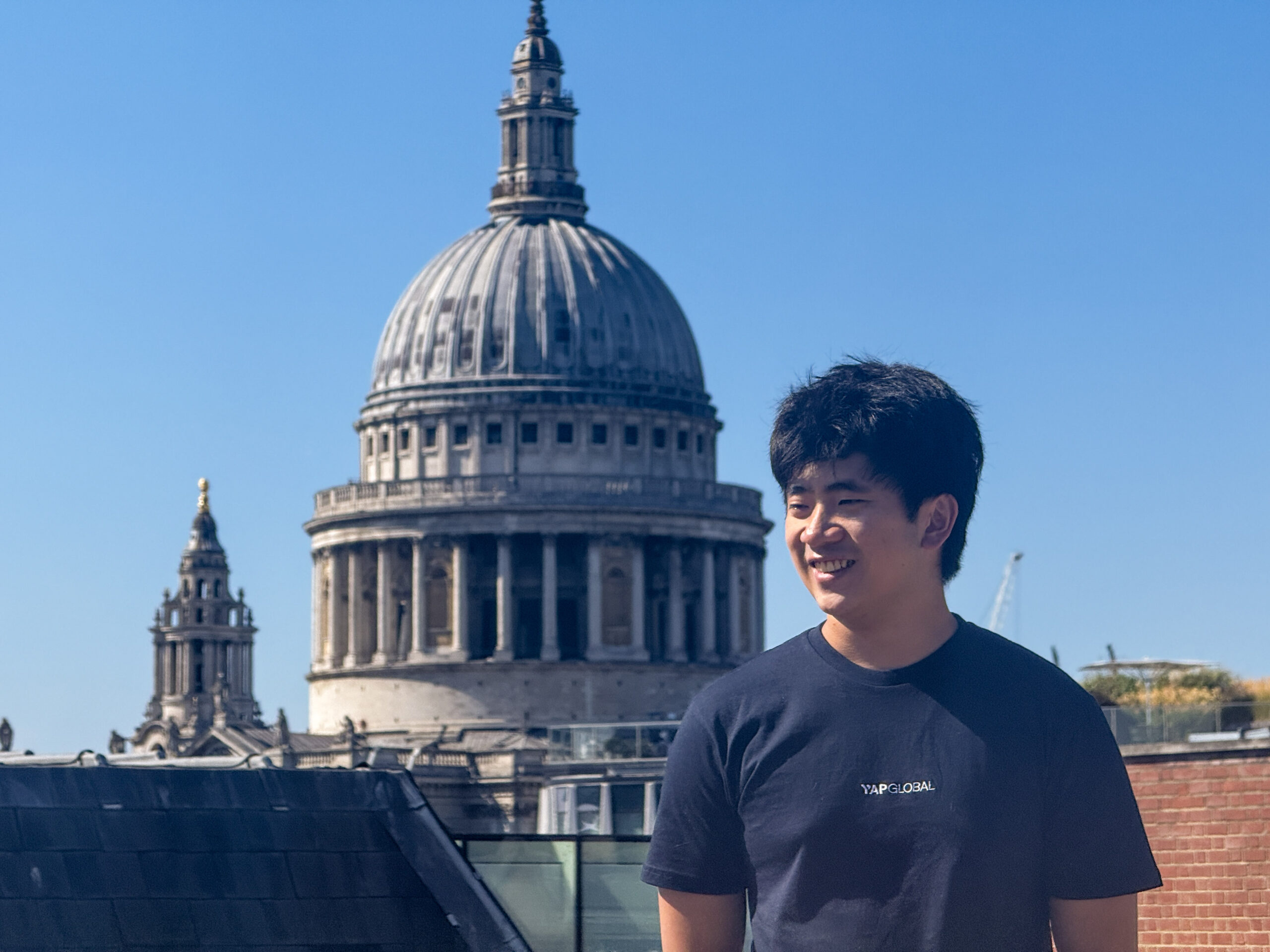
In this edition of YAP On The Record, we sat down with Francisco Rodrigues, reporter at CoinDesk covering crypto markets, policy, finance, and the broader evolution of digital assets. Based in Spain, he has a special interest in stories of personal finance, market structure, and financial access.
Francisco has been covering the cryptocurrency industry since 2016, after first discovering bitcoin while writing about personal finance for a Portuguese outlet. Before joining CoinDesk, he reported for CryptoGlobe and CryptoCoinsNews.
How did you first get into crypto, and what sparked your journey as a crypto reporter?
I first found out about crypto back in 2016 when writing about personal finance for a Portuguese outlet. As soon as I started learning about bitcoin and opened that Pandora’s box, there was no turning back. From that point on, I wanted to learn more and decided to get a job in the cryptocurrency ecosystem. I started at CryptoCoinsNews before growing within the space.
You’ve often described yourself as a generalist — covering markets, breaking news, policy, and finance. Are there any particular narratives or types of stories you love covering most?
I’m strongly aligned with the crypto ethos of banking the unbanked, providing financial services for those the traditional financial system has left behind. People shouldn’t have to jump through hoops to save for emergencies or to secure their future. That being said, anything that helps people’s personal finance interests me. Tokenisation, real-world assets, and ETFs are all included there.
You’re interested in philosophy and history — have you noticed any interesting crossovers between these subjects and the crypto space?
Absolutely. I see clear parallels in market cycles and human psychology. “History doesn’t repeat itself, but it often rhymes.” We see the same patterns of bubbles, euphoria, and capitulation in crypto that we’ve seen in economic history for centuries. It reminds us that technology changes, but human nature remains constant. Bitcoin is a novel experiment in the history of money, and that’s part of the excitement, isn’t it.
How do you see AI intersecting with crypto storytelling and journalism in the next few years?
I view AI in its current state as a powerful tool for optimisation, not replacement – at least for now. It helps in parsing massive amounts of data and improves my research significantly. It’s the tool that allows me to efficiently cover various topics. There are, nevertheless, various challenges ahead. Widespread AI-generated content is becoming a growing factor, and often those who leverage these tools aren’t too concerned about the truth or accurate reporting.
When AGI comes, I’m not entirely sure what to expect.
How would you describe the current state of the crypto industry?
It’s in a maturation phase. Crypto as an asset class started off heavily focused on ideas and speculation. Slowly but surely, we’ve been seeing volumes grow, ideas develop, and new applications get built on top of blockchains. There are a lot of not-so-good projects out there, but it’s hard to deny that every cycle brings in innovation and new developments that help change the world.
The ICO era, famous for blatant scams and fraud, also brought us Binance, Brave, and many other projects that now have hundreds of millions of users. With the approval of ETFs and deeper institutional involvement, we’re now moving the traditional finance system onchain, and that breaks down barriers that’ve been in place. European investors can now have access to U.S.-domiciled funds without having to qualify as institutional investors or dodge UCITS rules. It’s becoming less about “crypto vs. fiat” and more about how blockchain improves financial plumbing.
When deciding what to cover, what’s your usual process for selecting a story?
This is a hard question, as every day is different in the life of a crypto journalist. I look for utility and longevity, asking myself whether the story matters for investors, traders, and other market participants. It’s about avoiding noise and giving the industry a voice at the same time.
If you could change one thing about the crypto industry, what would it be and why?
The scamming. Every time a user gets scammed, every time an exchange gets hacked, we take a few steps back.
Of all the pieces you’ve written, which one are you most proud of, and what makes it stand out for you?
I’d point to pieces here that genuinely helped people or gave the industry insight it didn’t have before. One memorable set of articles for me is those around the Binance KYC leak. Binance dismissed it, and I felt under fire, but stood by my reporting and was ultimately proven right.
What current industry trend are you most excited about right now?
Tokenisation of Real World Assets (RWAs). Seeing treasury bills, real estate, and other traditional assets move onchain is the tangible utility we’ve been waiting for and further helps bring financial services and opportunities to everyone in the world.
How do you personally avoid burnout while constantly following an industry that never sleeps?
It’s a challenge, but physical exercise and family time are critical, along with the ability to turn off. Having a long-term mindset lets me enjoy time offline without worrying too much about what’s going on in the industry and markets.
Finally, what’s one thing you wish PR professionals better understood when pitching to you?
Relevance. It’s all about relevance with what I cover and what I don’t, and more often than not, I’m unfortunately getting pitched random memecoins and projects with no utility whatsoever.