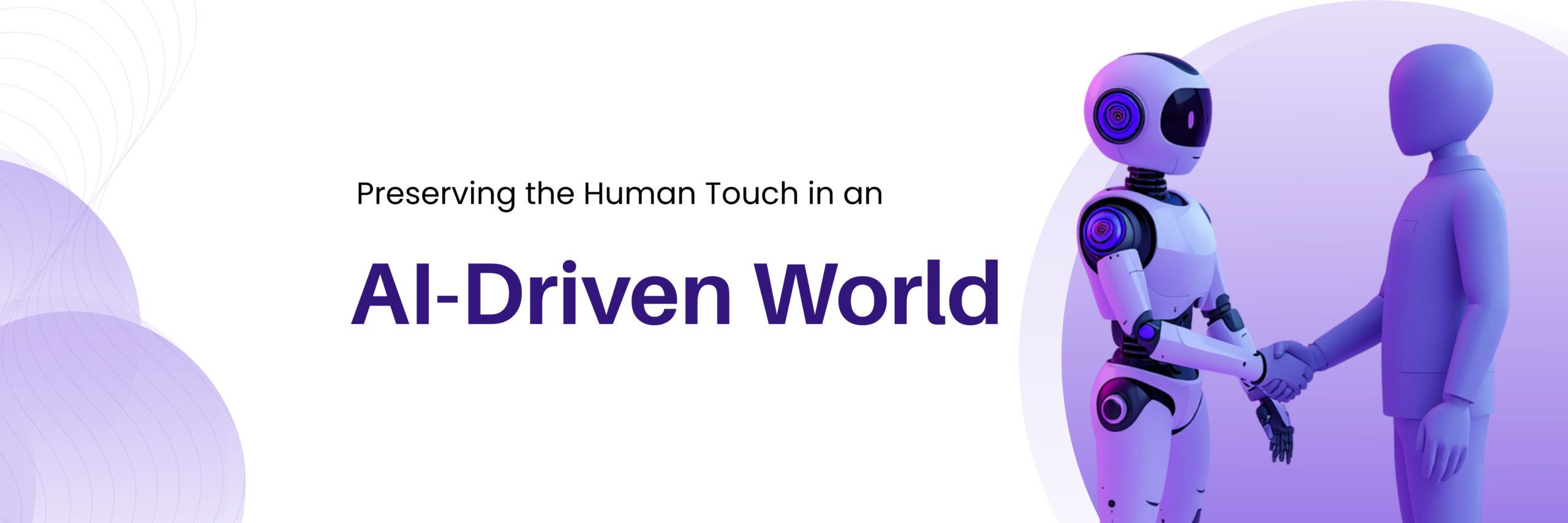
The threat of AI looms large across industries and professions. For YAP Global, as professional storytellers and communicators it naturally raises the question about how AI impacts, enhances, and threatens our work? More than anything, it makes one thing abundantly apparent: the growing presence of AI in communications is not so much a threat to jobs, but a challenge to the human-written word.
The rise of AI-generated content has transformed the way people create and consume content. While these tools definitely streamline writing and accelerate production, there is a visible and often visceral reaction from audiences when content feels inauthentic or generic. From social media posts to advertising campaigns, the difference between machine-generated “slop” and carefully crafted messaging is clear. Viewers can sense the effort, or lack thereof, behind a message, and their perception of a brand is shaped accordingly.
Stephen King was probably not thinking about AI when he said, “To write is human, to edit is divine”, but the sentiment feels especially relevant now. AI can generate text, but it cannot replicate the critical thinking, authenticity, and uniqueness of human writing or editing. Content produced without that layer often fails to connect, because it lacks authenticity and care.
For PR and communications teams, this presents a strategic challenge: how to leverage AI effectively without losing the human touch. AI is a useful tool for structuring, refining, and condensing ideas. However, it must be guided by human judgment and creativity.
As AI becomes a permanent part of the communications toolkit, we risk entering an age where the written word is rare, artisanal, and a core differentiator. Meaning, PR professionals must continue to invest in their craft to continue sharing distinctly human stories.
– Imogen Serra, Mansha Bakshi and Meghna Dembla